7 Creative Signage Ideas for UK Sign Company Owners
Published Updated
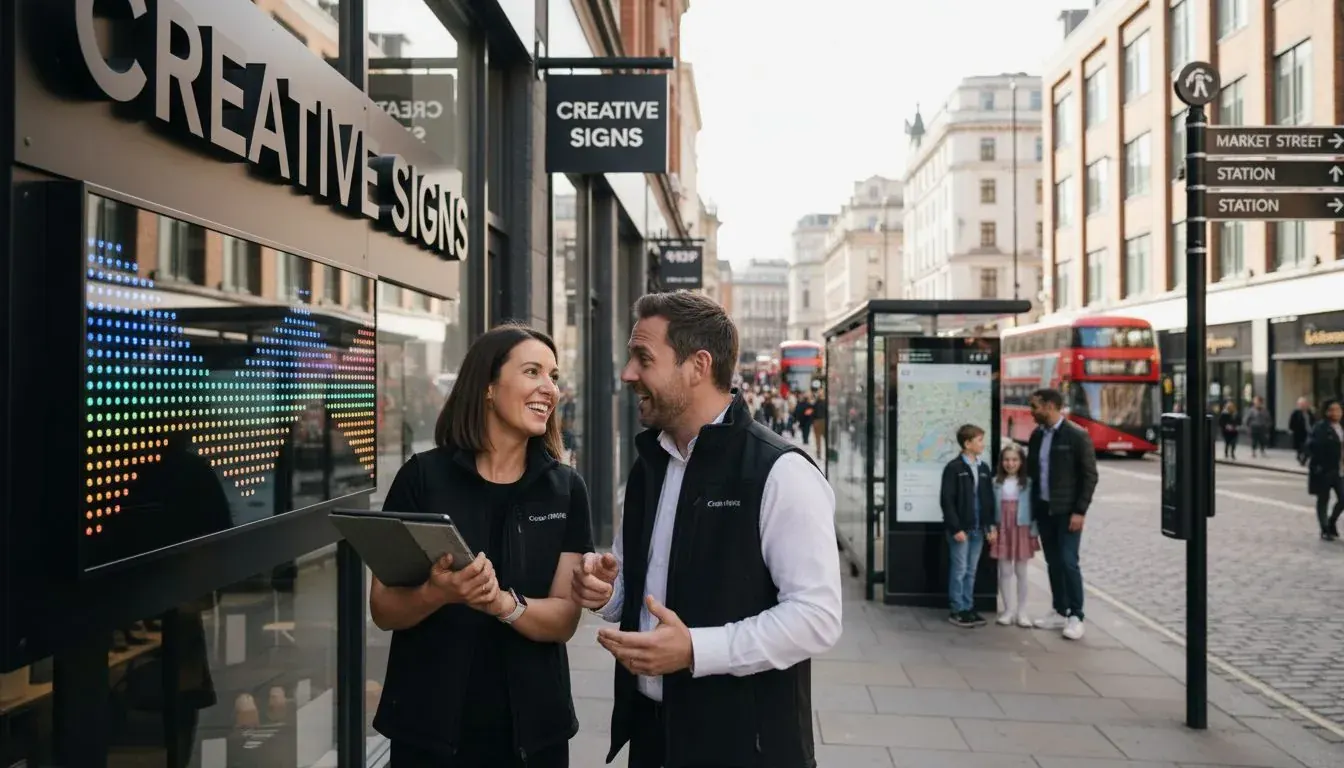
More than 80 percent of consumers recall a business based on its signage alone. In today’s crowded market, eye-catching signs do much more than display names or directions. They shape first impressions, express brand personality, and determine who takes notice – or walks past. Whether you want striking visuals, sustainable options, or interactive displays, the latest sign company strategies can help your message get seen and remembered.
Quick Summary
| Takeaway | Explanation |
|---|---|
| 1. Utilize 3D Channel Lettering for Visual Impact | 3D channel lettering creates dimensional signage that captures attention and enhances brand visibility compared to traditional flat signs. |
| 2. Integrate LED Lighting for Engagement | Strategic use of LED lighting enhances visual narratives, making signage more dynamic and energy-efficient while attracting viewer interest. |
| 3. Choose Sustainable Materials for Eco-Friendliness | Using recycled and biodegradable materials not only appeals to eco-conscious clients but also demonstrates corporate responsibility in signage production. |
| 4. Embrace Mixed Media for Unique Experiences | Combining various materials and technologies allows sign makers to craft immersive experiences, enhancing storytelling and brand representation. |
| 5. Master Custom Fonts and Colours for Recognition | Thoughtfully selected fonts and colours can significantly strengthen brand identity and emotional connection with the audience through visual appeal. |
1. Embrace 3D Channel Lettering for Bold Impact
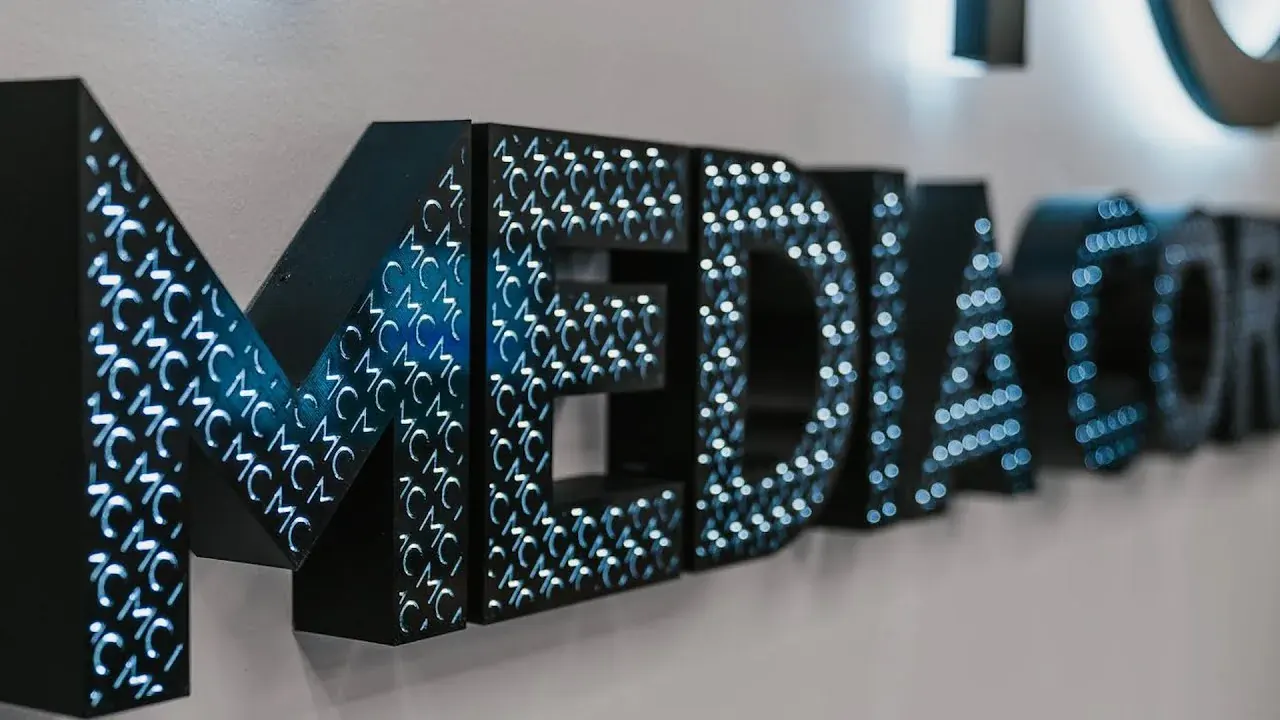
3D channel lettering represents a game changing approach for sign companies looking to deliver extraordinary visual impact. By leveraging cutting edge printing technologies, businesses can create dimensional signage that literally stands out from traditional flat graphics.
The magic of 3D channel lettering lies in its ability to transform ordinary signage into striking three dimensional displays. Unlike standard two dimensional signs, these letters protrude outward creating depth shadows and visual intrigue that immediately capture viewer attention. Precision engineering meets creative design in this innovative signage solution.
When implementing 3D channel letters, sign company owners should focus on several key strategies. Material selection becomes crucial elements like acrylic aluminium and specialised plastics offer different aesthetic and durability characteristics. For instance aluminium provides sleek metallic finishes while acrylic allows for vibrant colour integration.
Practical implementation requires understanding your client environment. Retail storefronts restaurants corporate offices and hospitality venues all benefit differently from three dimensional lettering. Customisation is key. Some environments demand bold bright colours while others require more understated professional presentations.
For those wanting to explore deeper insights into this transformative signage technique, check out our guide on revolutionising signage.
Technical considerations matter too. Mounting methods lighting options and structural integrity must be carefully planned. Key mounting approaches include:
- Direct wall mounting
- Standoff mounting for dramatic shadow effects
- Raised panel installation for enhanced dimensionality
By embracing 3D channel lettering sign companies can elevate their offerings creating memorable visual experiences that transform ordinary spaces into extraordinary branded environments.
2. Integrate LED Lighting for Modern Appeal
LED lighting transforms signage from simple communication tools into dynamic visual experiences. Modern sign companies understand that illumination is not just about visibility but about creating an immersive brand statement that captivates viewers day and night.
Lighting technology has revolutionised how businesses communicate their visual identity. LED lights offer unprecedented flexibility allowing sign designers to craft extraordinary visual narratives through colour temperature brightness and dynamic lighting sequences. Unlike traditional fluorescent or neon options LED lights consume significantly less energy while providing brighter more consistent illumination.
For sign company owners strategic LED integration means understanding multiple implementation approaches. Colour temperature selection becomes critical warm whites create inviting atmospheres while cool whites project professional and modern aesthetics. Some businesses prefer RGB systems that allow complete colour customisation enabling dramatic visual transformations.
Practical implementation requires careful planning. Signage lighting considerations include power consumption heat management durability and aesthetic alignment with brand identity. Professional sign makers must evaluate mounting techniques electrical requirements and potential environmental challenges.
Key LED lighting strategies include:
- Backlighting for channel letters
- Edge lighting for minimalist designs
To explore more advanced techniques for integrating cutting edge signage technologies, visit our tutorial on channel letter production.
Successful LED integration goes beyond technical specifications. It is about creating memorable visual experiences that communicate brand personality communicate messages and attract customer attention. By mastering LED lighting sign companies can transform ordinary signage into extraordinary brand statements.
3. Use Sustainable Materials for Eco-Friendly Signs
Sustainability has become a powerful differentiator for modern sign companies looking to appeal to environmentally conscious clients. By selecting eco friendly materials sign businesses can demonstrate corporate responsibility while creating visually compelling signage solutions.
Material innovation plays a crucial role in sustainable sign design. Recycled plastics biodegradable compounds and responsibly sourced materials are transforming how businesses approach visual communication. These advanced materials offer comparable durability and aesthetic quality to traditional options while significantly reducing environmental impact.
Professional sign makers should consider multiple sustainable material strategies. Recyclable alternatives like PLA bioplastics offer excellent performance characteristics. These materials derived from renewable sources such as corn starch or sugarcane provide remarkable flexibility for creative sign production. Moreover they decompose naturally reducing long term environmental waste.
Beyond material selection sign companies must adopt holistic sustainable practices. Comprehensive sustainability approaches include minimising production waste implementing energy efficient manufacturing processes and designing signs with extended lifecycle potential. This means creating signage that remains functional and visually appealing for longer periods.
Key sustainable material options include:
- Recycled acrylic panels
- Biodegradable polymers
- Bamboo composite materials
- Reclaimed wood substrates
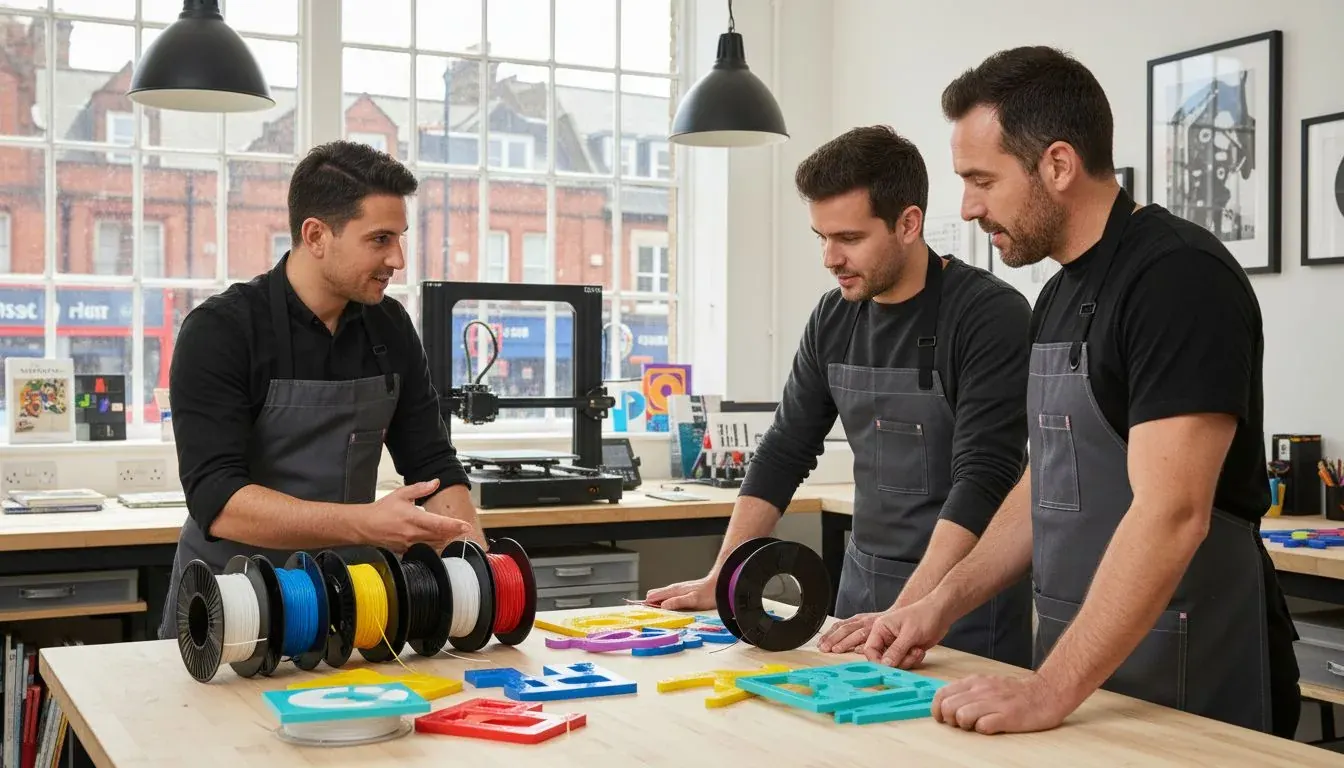
To explore more advanced techniques for selecting innovative materials, check out our guide on choosing 3D printer filament.
By embracing sustainable materials sign companies can differentiate themselves in a competitive market. Clients increasingly value businesses that demonstrate environmental stewardship making eco friendly signage not just an ethical choice but a smart business strategy.
4. Experiment with Mixed Media Installations
Mixed media signage represents a bold frontier for creative sign companies seeking to break traditional visual communication boundaries. By combining multiple materials textures and technologies sign makers can craft immersive experiences that capture audience imagination and deliver messages with unprecedented impact.
Creative integration transforms ordinary signage into extraordinary visual narratives. Modern mixed media installations blend traditional materials like metal and acrylic with emerging technologies such as digital displays LED lighting and three dimensional printed components. This approach allows businesses to create truly unique brand representations that stand out in competitive visual landscapes.
Successful mixed media design requires strategic material selection and technical expertise. Complementary material combinations might include translucent acrylic channel letters with embedded LED lighting wood grain textured backgrounds and precision 3D printed structural elements. Each material brings distinct aesthetic and functional properties creating multilayered visual experiences.
Professional sign companies must consider several critical factors when developing mixed media installations. Durability structural integrity aesthetic cohesion and brand alignment become paramount considerations. The goal is not just visual complexity but meaningful communication that resonates with target audiences.
Potential mixed media approaches include:
- Combining 3D printed elements with traditional signage
- Integrating digital displays with physical sculptural components
- Layering translucent and opaque materials for depth
- Incorporating natural materials with technological elements
To explore advanced techniques for innovative signage production, visit our tutorial on channel letter fabrication.
By embracing mixed media installations sign companies can differentiate themselves transforming from simple communication providers to true visual storytellers. This approach allows businesses to create memorable immersive experiences that engage viewers on multiple sensory levels.
5. Leverage Digital and Interactive Displays
Digital and interactive displays represent the cutting edge of modern signage technology transforming passive communication into dynamic engaging experiences. These advanced systems go far beyond traditional static signs offering businesses unprecedented opportunities to connect with their audiences.
Technological innovation has revolutionised how brands communicate visual messages. Interactive displays enable real time content updates personalised user experiences and data driven engagement strategies. Modern screens equipped with touchscreen capabilities motion sensors and cloud connectivity can adapt instantly to viewer interactions creating memorable brand encounters.
Sign companies must understand the nuanced implementation of digital display technologies. Strategic display design involves selecting appropriate screen technologies considering ambient lighting conditions understanding viewer interaction patterns and developing content that genuinely engages target audiences. This means moving beyond simple digital billboards to create immersive communication platforms.
Practical implementation requires careful technical and creative planning. Professional sign makers need to consider factors like screen resolution content management systems network connectivity and user experience design. The goal is to create displays that are not just visually appealing but functionally intuitive and purposeful.
Key digital display strategies include:
- Touchscreen information kiosks
- Dynamic content management systems
- Gesture controlled interfaces
- Real time data visualization screens
To explore more advanced techniques for cutting edge signage technologies, check out our guide on channel letter production.
By embracing digital and interactive displays sign companies can transform from mere information providers to creators of immersive brand experiences. These technologies offer unprecedented opportunities to capture audience attention deliver complex messages and create memorable interactions that traditional signage simply cannot match.
6. Customise Fonts and Colours for Brand Recognition
Customising fonts and colours represents a powerful strategy for sign companies to create distinctive visual identities that instantly communicate brand personality. Thoughtful typography and colour selection can transform ordinary signage into memorable brand experiences that resonate with target audiences.
Visual communication science reveals that typography and colour psychology play critical roles in brand perception. Different font styles convey specific emotional attributes serif fonts suggest tradition and reliability while sans serif designs communicate modernity and simplicity. Colour selections trigger immediate psychological responses that can influence viewer emotions and behaviour.
Professional sign makers must approach font and colour selection with strategic intentionality. Brand alignment considerations involve understanding client brand guidelines matching typographic choices to industry expectations and creating visual hierarchies that guide viewer attention. This means going beyond aesthetic preferences to develop scientifically informed design approaches.
Practical implementation requires technical expertise and creative sensitivity. Sign companies need advanced printing technologies that can reproduce precise colour matching and crisp font renderings. Modern 3D printing and digital fabrication techniques enable unprecedented levels of typographic precision and colour fidelity.
Key font and colour strategies include:
- Matching brand pantone colour specifications
- Selecting fonts that reflect brand personality
- Creating visual consistency across multiple signage platforms
- Understanding cultural colour associations
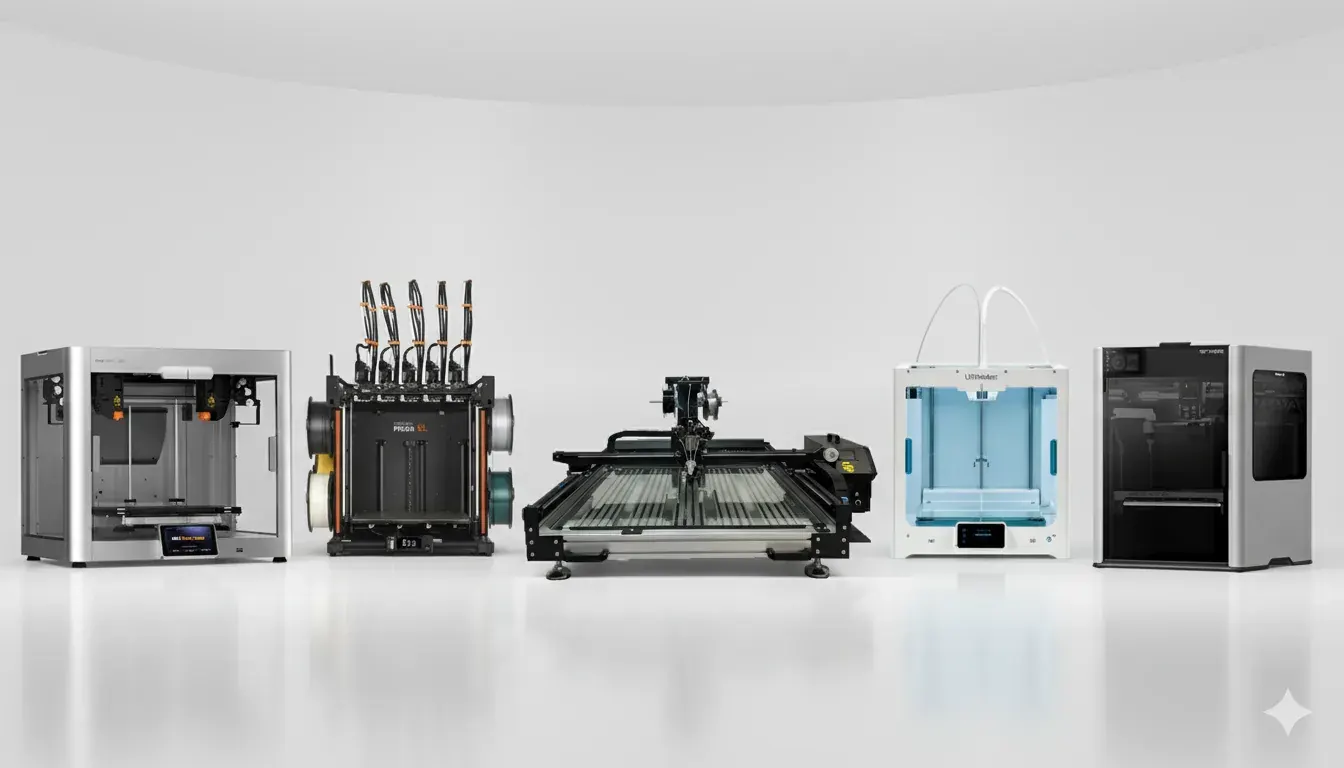
To explore advanced techniques for multi colour printing, check out our guide on selecting multi colour 3D printers.
By mastering font and colour customisation sign companies can elevate their offerings from mere communication tools to powerful brand storytelling platforms. The right typographic and chromatic choices can transform signage into compelling visual narratives that capture audience imagination.
7. Incorporate Wayfinding and Informational Signage
Wayfinding signage represents a critical intersection between functional communication and sophisticated design solutions. These strategic visual systems transform complex spatial environments into intuitive navigational experiences that guide visitors seamlessly and efficiently.
Navigation psychology demonstrates that effective wayfinding goes far beyond simple directional arrows. Successful informational signage creates cognitive maps that help people understand spatial relationships reduce anxiety and improve overall user experience. Sign companies can leverage design principles that make navigation feel natural and almost unconscious.
Professional sign makers must approach wayfinding as a holistic communication strategy. Design considerations involve understanding user movement patterns creating clear visual hierarchies and developing consistent graphic languages. This means considering factors like colour contrast typography placement visibility and cultural accessibility to ensure signs work for diverse user groups.
Practical implementation requires multidisciplinary expertise blending graphic design architectural understanding and user experience principles. Modern wayfinding solutions integrate digital technologies physical signage and interactive elements to create comprehensive navigation systems that adapt to user needs.
Key wayfinding design strategies include:
- Creating consistent visual language systems
- Implementing universal design principles
- Using intuitive colour coding
- Designing for multiple user accessibility needs
To explore advanced techniques for channel letter production that can support informational signage, visit our tutorial on channel letter fabrication.
By mastering wayfinding design sign companies can transform spaces from potentially confusing environments into welcoming intuitive landscapes. Effective informational signage becomes more than just directional markers they become silent guides creating positive user experiences.
Below is a comprehensive table summarising the key strategies and concepts discussed throughout the article on modern signage solutions.
| Strategy | Implementation | Expected Results |
|---|---|---|
| 3D Channel Lettering | Utilise materials like acrylic and aluminium for dimensional signage; focus on customisation and environment suitability. | Enhanced visual impact; memorable branded environments. |
| LED Lighting Integration | Choose appropriate colour temperatures; employ techniques like backlighting and edge lighting. | Dynamic visual experiences; energy efficient, immersive brand statements. |
| Sustainable Material Usage | Opt for recycled or biodegradable materials like PLA bioplastics; minimise waste. | Eco-friendly branding; appeal to environmentally conscious clients. |
| Mixed Media Installations | Combine traditional and modern materials; incorporate technologies like digital displays. | Unique brand experiences; engaging multi-sensory visuals. |
| Digital and Interactive Displays | Employ touchscreen and motion-sensor technologies; develop adaptive content strategies. | Engaging, real-time brand interactions; enhanced viewer engagement. |
| Custom Fonts and Colours | Align typography and colours with brand identity; utilise modern printing methods. | Stronger brand recognition; compelling visual narratives. |
| Wayfinding and Informational Signage | Develop clear visual hierarchies; integrate universal design principles. | Improved navigational experiences; reduced user anxiety. |
Elevate Your Signage Game with Innovative 3D Printing Solutions
Every sign company owner faces the challenge of creating striking, custom signage that not only captures attention but also stands the test of time. This article highlights key pain points such as the need for bold 3D channel lettering, sustainable materials, and eye-catching LED integration to keep your business ahead in a competitive UK signage market. You want to deliver creative, durable, and visually dynamic signage that truly reflects your client’s brand personality.
Unlock the full potential of your creative ideas with advanced 3D Printers – Sign Group™ designed specifically for signage production.
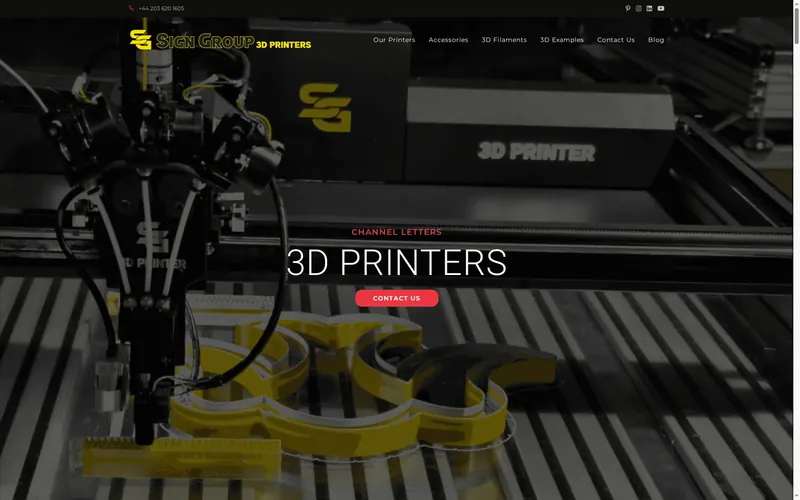
Ready to transform your signage offerings starting today Explore our expert range of 3D Printing – Sign Group™ solutions assembled right here in the UK. By choosing the right technology at Sign Group, you can master custom fonts, colours, and complex mixed media installations that captivate and engage. Visit us now to discover how you can push the boundaries of creativity and efficiency with signage printing technology built for your business.
Frequently Asked Questions
What are the benefits of using 3D channel lettering for signage?
3D channel lettering enhances visibility and creates a bold impact by adding depth and dimensionality. Consider incorporating this technique in your signage offerings to capture more attention and elevate your clients’ brand experiences.
How can I effectively integrate LED lighting into my sign designs?
Integrate LED lighting by selecting appropriate lighting types, such as backlighting for channel letters or dynamic RGB systems for customisation. Plan to implement these techniques within your next project to enhance visual appeal and create memorable branding moments.
What sustainable materials should I consider for eco-friendly signage?
Consider using recycled plastics, biodegradable compounds, and responsibly sourced materials for sustainable signage. Evaluate these options in your next project to appeal to environmentally conscious clients and demonstrate corporate responsibility.
How can mixed media installations elevate my signage offerings?
Mixed media installations combine various materials and technologies to create unique visual experiences. Experiment with blending traditional elements like wood and metal with digital displays to captivate clients and stand out in a competitive market.
What strategies can I use for customising fonts and colours in my signage?
Utilise fonts and colours that align with your clients’ brand identities to create memorable signage. A good rule of thumb is to match the brand’s Pantone colours and choose typefaces that reflect their character, ensuring consistency across multiple platforms.
How do I design effective wayfinding signage for clients?
Focus on creating a clear visual language system and intuitive navigation paths that help users understand their surroundings. Implement user feedback and accessibility standards to ensure a seamless experience, aiming for a well-designed wayfinding system within 30 days of concept initiation.
Recommended
- Revolutionising Signage: The Rise of 3D Channel Letter Printers – Sign Group™
- Channel Letters – 3D printing: an extensive, practical dossier – Sign Group™
- 3D Printed vs Traditional Channel Letters | Modern Signage
- 3D Channel Letter Production: Comparing FDM Signage Printers and UV Acrylic Systems – Sign Group™