The Evolution of Channel Letters: From Traditional Fabrication to 3D Printed Innovation
Published
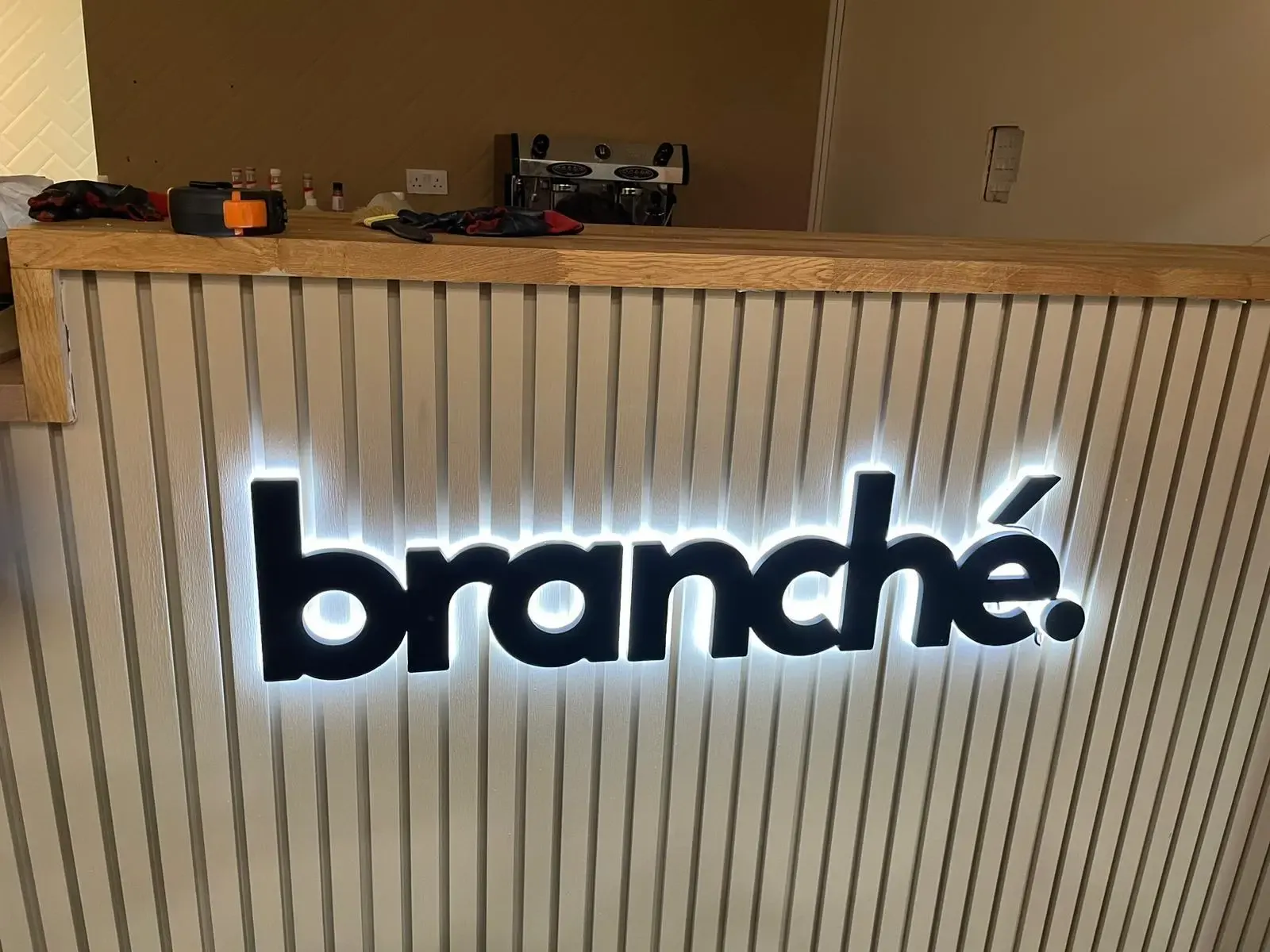
In the signage world, channel letters have long been the standard for creating striking, illuminated brand displays.
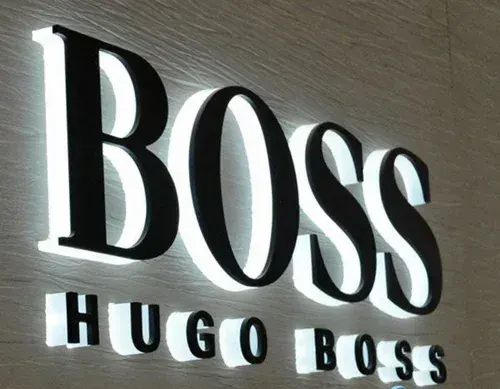
Traditionally, these letters were made using aluminium backs, acrylic faces, and manual bending and welding – a process requiring skilled labour, large workshop space, and considerable turnaround time.
However, with the rise of 3D printing technology, especially large-format 3D printers designed for sign making, a new era has begun. 3D printed channel letters combine precision engineering with digital manufacturing, dramatically changing how sign professionals design, produce, and deliver illuminated signage.
Traditional Channel Letters: Craftsmanship with Limitations
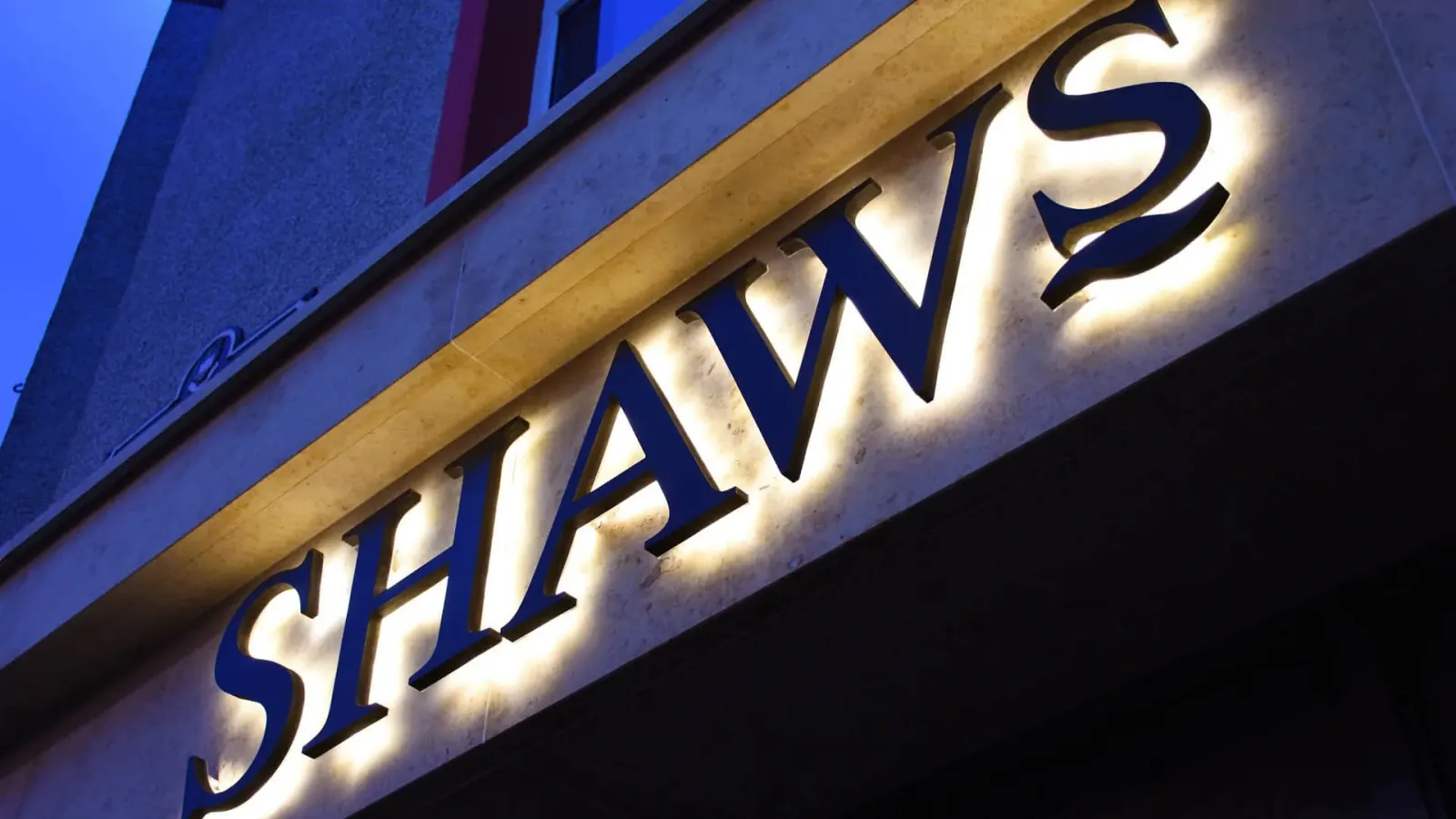
Traditional channel letters are built from metal returns (sides), acrylic faces, and LED lighting fitted inside. While durable and visually appealing, the manufacturing process has several inherent challenges:
- Manual fabrication: Each letter must be cut, bent, and assembled by hand or with CNC equipment.
- Limited design freedom: Sharp curves, small text, and intricate shapes are difficult and time-consuming.
- Thickness constraints: Producing ultra-thin illuminated letters below 60–70 mm depth is challenging with metal bending and LED fitting.
- High production cost: Labour, tools, and waste materials increase overheads, especially for small batches.
- Long lead times: Design changes require new templates, tooling adjustments, and manual assembly steps.
For years, these factors made small or fine-detail illuminated letters impractical or cost-prohibitive for many sign projects.
3D Printed Channel Letters: A Digital Transformation
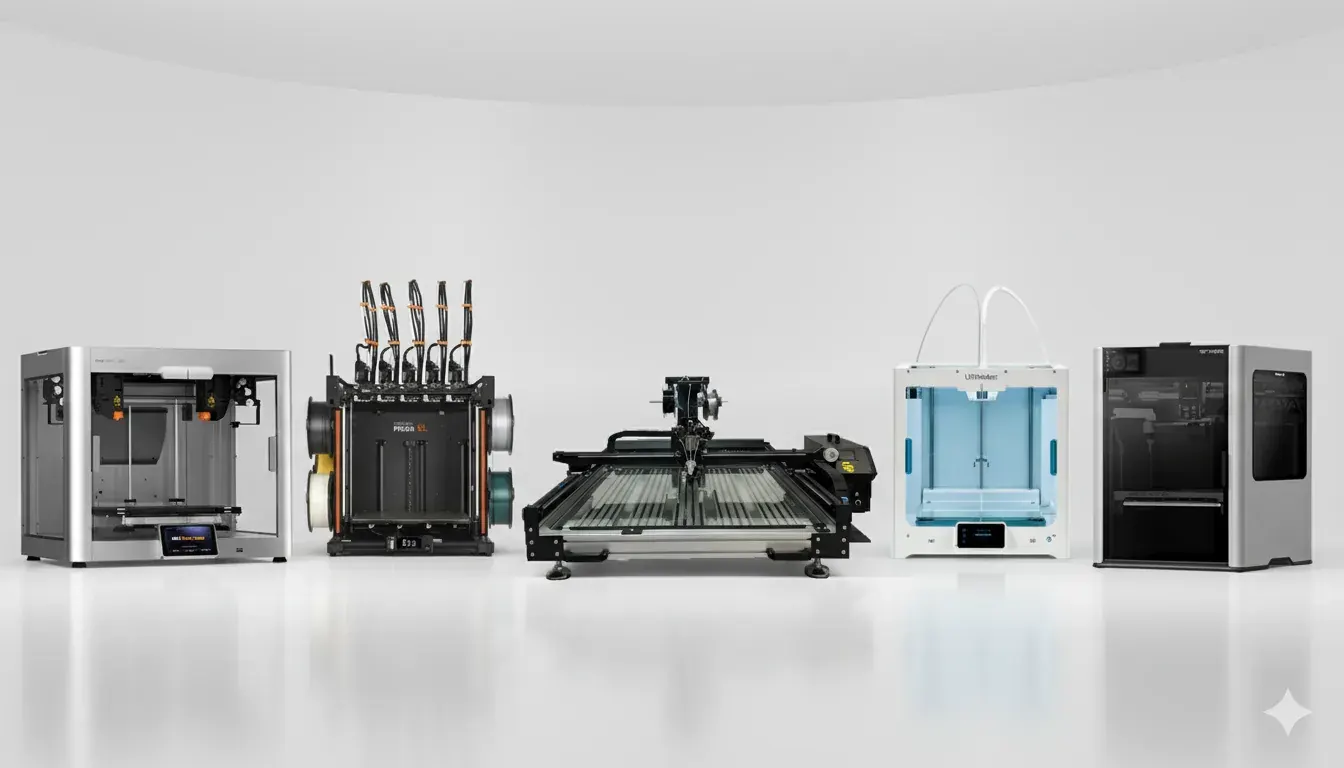
Enter 3D printed channel letters, built using specialized signage 3D printers like the Sign Group SG-S 3D ULTRA and SG-S 3D Pro ULTRA. These systems extrude high-performance polymers (HFPC, PMMA, PETG) layer by layer, producing complete letter bodies automatically – ready for LED integration and face application.
Precision for small letters
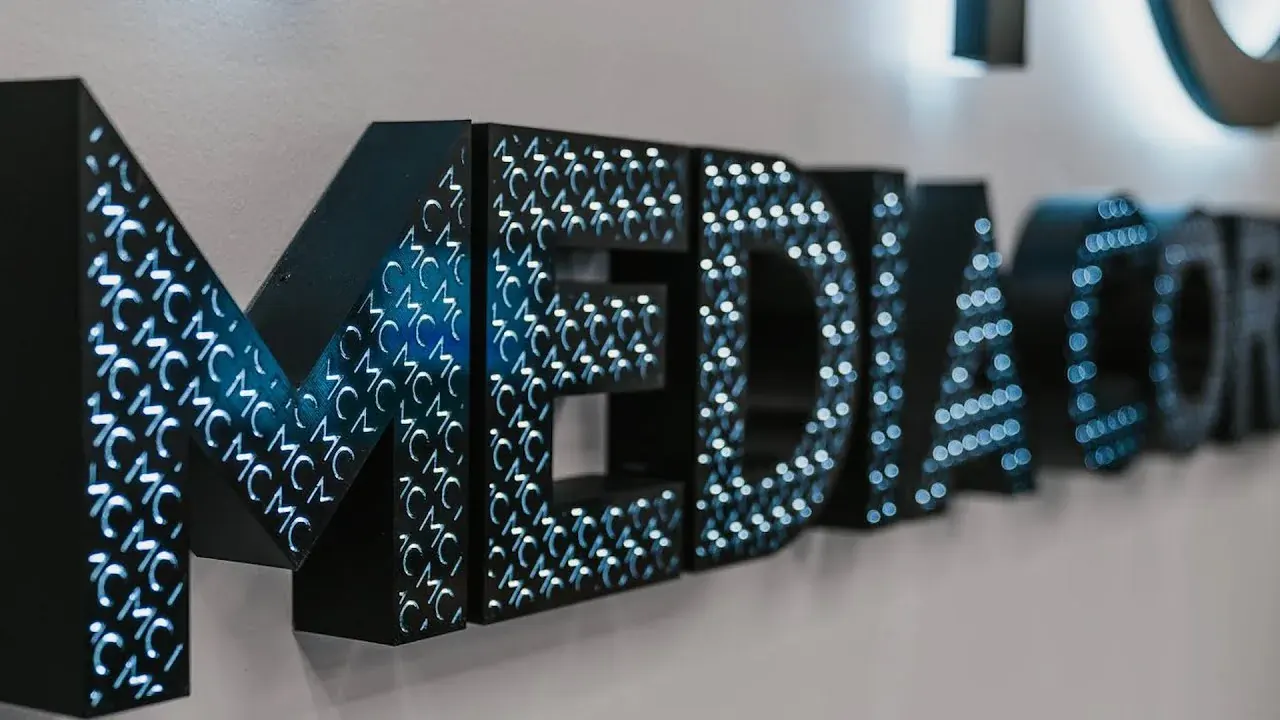
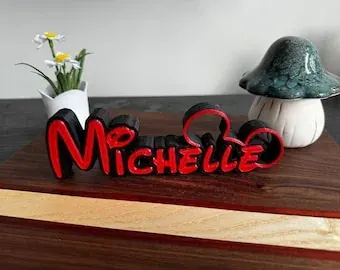
3D printing technology can reproduce tiny fonts, thin strokes, and detailed logos with incredible accuracy. Because the letters are digitally modelled, even 30 mm-tall illuminated letters can be produced without losing sharpness or structural strength. This opens new design possibilities for shopfronts, interior branding, and exhibition signage where small yet illuminated text is needed.
Ultra-thin illuminated profiles
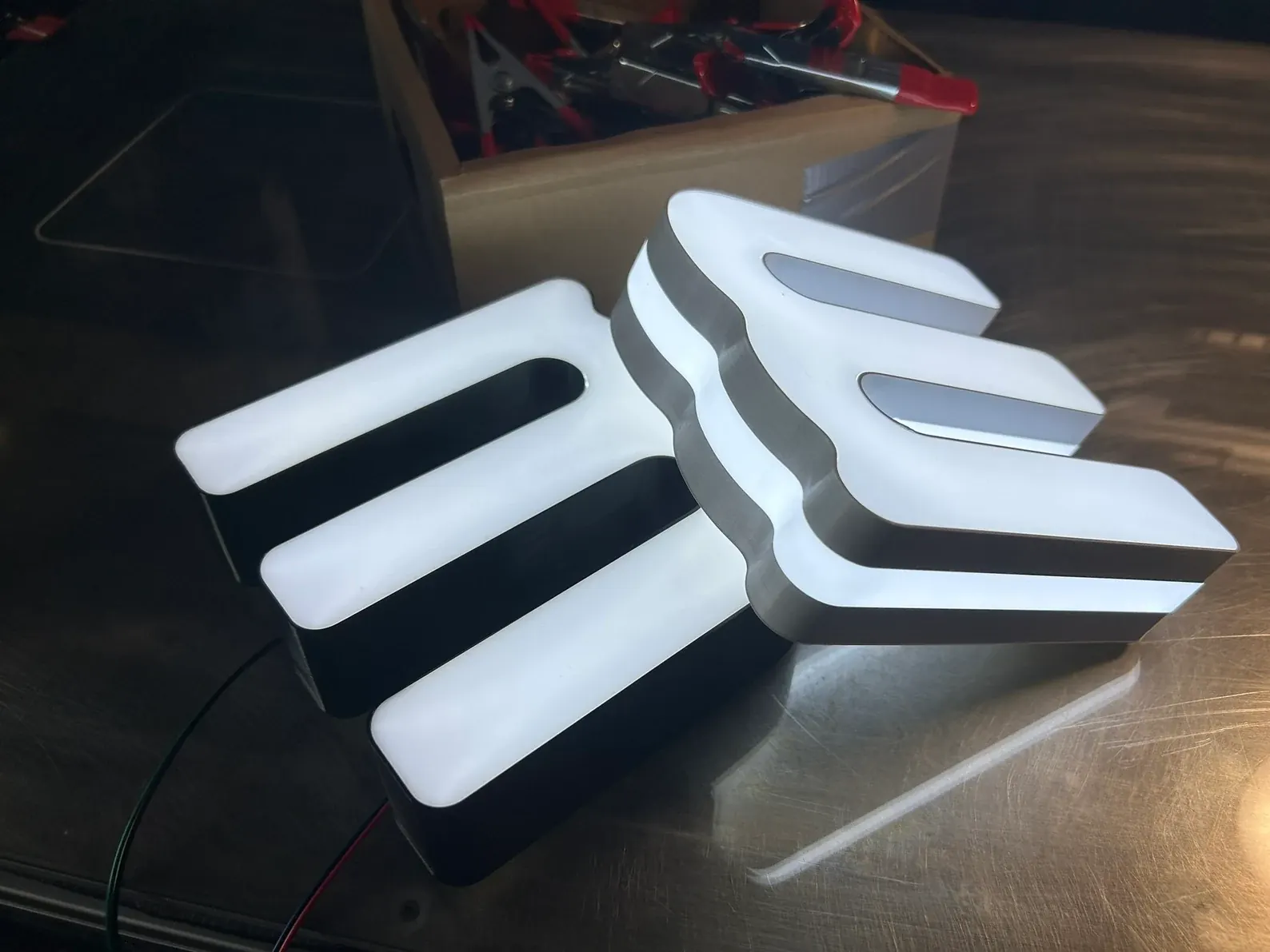
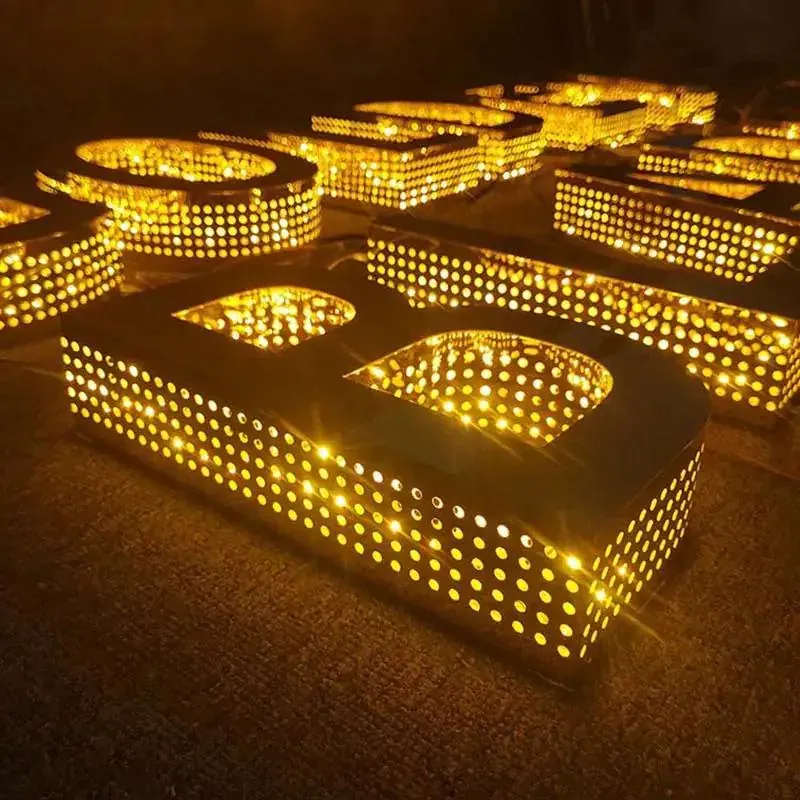
Unlike bent aluminium structures, 3D printed letters can be made as thin as 25-30 mm, maintaining enough space for LED modules and wiring. This allows for slimmer, modern, elegant signage – a growing trend in retail and architectural branding.
One-click automation
Systems like Sign Group’s SG-S 3D ULTRA simplify the workflow to a “one-click” process: import the 3D letter model, choose depth and wall thickness, and the machine handles the rest. No bending, gluing, or welding required. For sign shops, this means producing a full set of illuminated letters overnight, unattended.
Consistency and repeatability
Every letter printed from the same file is identical, ensuring perfect uniformity across multiple signs or franchise locations. Traditional fabrication, even with templates, often introduces small variations.
Cost efficiency
By reducing labour time and material waste, 3D printed channel letters can cut production costs by up to 60% compared to conventional methods. The 3D printer operates continuously with minimal supervision, while the operator focuses on assembly or finishing tasks – increasing productivity.
Visual Quality and Durability
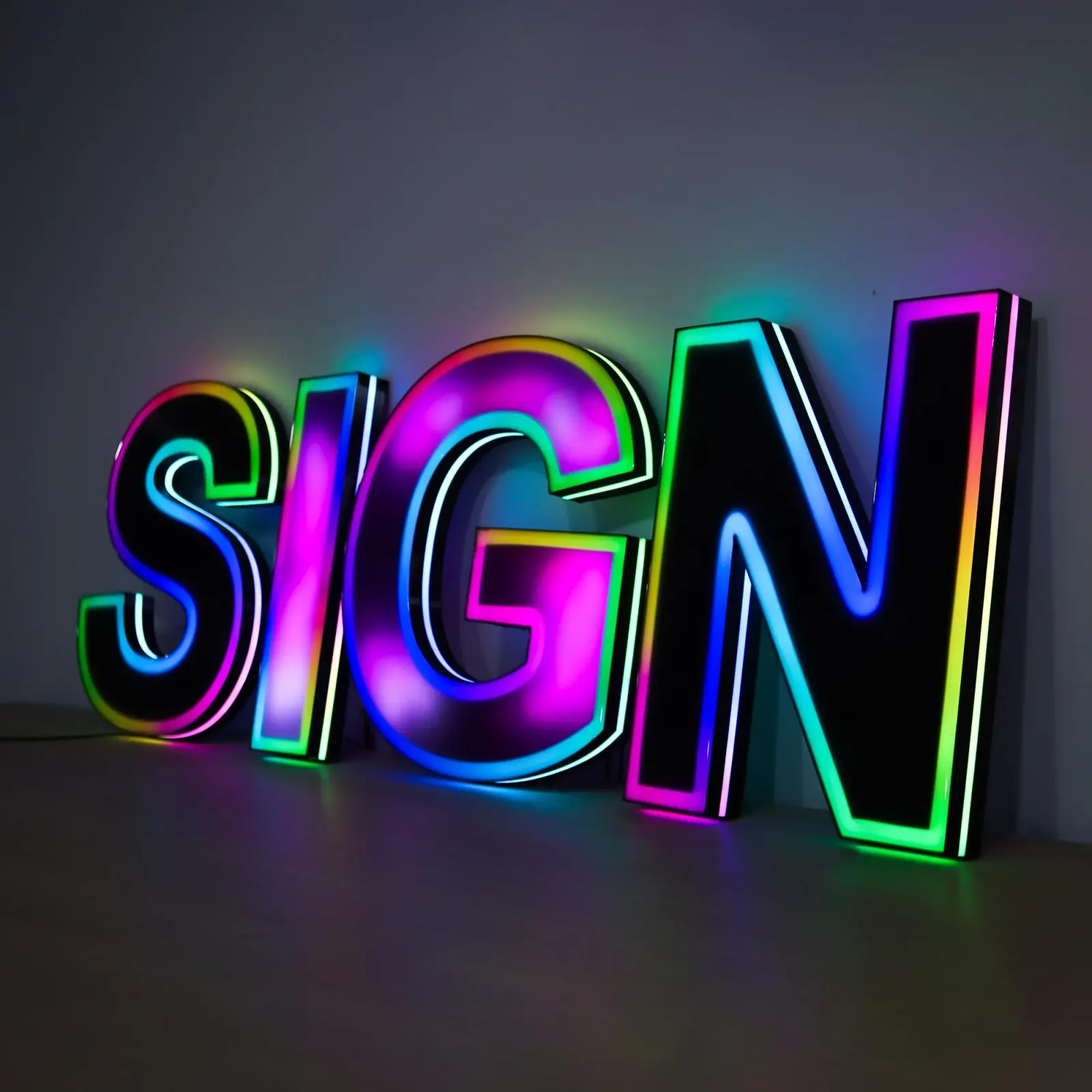
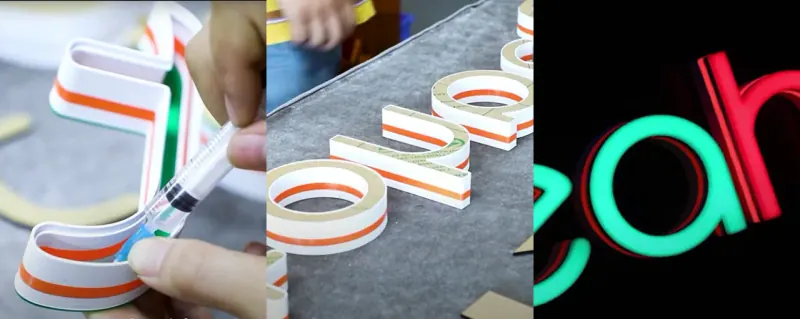
Modern sign-grade filaments like HFPC (High-Fusion Polycarbonate) and PMMA blends used in Sign Group’s printers produce smooth, glossy finishes and are UV- and weather-resistant.
When paired with UV-cured liquid acrylic faces — as in the SG-S 3D Pro ULTRA – the result is a seamless, high-end illuminated surface suitable for both indoor and outdoor use.
Small letters and thin strokes still maintain perfect LED diffusion thanks to controlled wall thickness and integrated light channels, something difficult to achieve with folded aluminium returns.
Sustainability and Efficiency
Another major advantage is material efficiency. Traditional methods create significant offcuts of metal and acrylic; 3D printing uses exactly the material needed, reducing waste. Many filaments are recyclable or bio-based, aligning with modern sustainability goals.
Energy consumption is also lower – the SG-S ULTRA uses about 1-2 kWh per 24 hours, compared to the energy demands of bending, cutting, and welding machinery.
The Future of Sign Making
The shift from traditional channel letter fabrication to 3D printing isn’t just a technological trend – it’s a paradigm shift. Sign makers adopting this process enjoy:
- Faster turnaround and delivery times
- Reduced production costs
- Freedom to design ultra-thin, complex, or small illuminated letters
- Repeatable, scalable quality for large projects
As more signage professionals embrace digital manufacturing, 3D printed channel letters are becoming the new industry benchmark – blending design freedom, precision, and cost-effectiveness like never before.