3D Printer Filaments for Signage: UK Guide (2026)
Published Updated

Over 67 percent of UK 3D printing revenue comes from PLA filament alone, showing just how crucial the right material is for professional signage. With growing demand for durable, eye catching, and weather ready signs, the choice of filament can make or break your project.
This guide breaks down the best 3D printing filaments for UK signage, helping you find options that match your needs for strength, flexibility, and creative impact.
Quick Summary
| Takeaway | Explanation |
|---|---|
| 1. PLA is ideal for easy printing. | Its low warping and excellent adhesion make PLA user-friendly, perfect for detailed signage production. |
| 2. ABS provides strength for outdoor signs. | ABS filament is durable and resistant to environmental stress, making it suitable for outdoor applications. |
| 3. PETG combines durability with moisture resistance. | Offering good layer adhesion and weather resistance, PETG is excellent for outdoor signage needs. |
| 4. TPU enables flexible and detailed designs. | Its elasticity and high impact resistance allow for creative, curved, or bendable signage solutions. |
| 5. Nylon is exceptionally strong for demanding projects. | Nylon’s high tensile strength and chemical resistance make it ideal for complex, durable signage components. |
1. PLA Filament: Easy Printing and Versatile Applications
PLA (Polylactic Acid) filament stands as the gold standard for UK signage companies looking for reliable and straightforward 3D printing solutions. According to Filamentive, PLA dominates the UK 3D printing market, accounting for an impressive 67.4% of revenue from October 2024 to September 2025.
What makes PLA so exceptional for signage production? Its remarkable properties set it apart from other filament types. Low warping and excellent first-layer adhesion mean you can create intricate channel letters and signage components with minimal hassle. The material offers strong dimensional accuracy, ensuring your printed signs maintain precise measurements and professional quality.
PLA shines particularly bright in signage applications due to its wide temperature tolerance and smooth surface finish. Xometry highlights its exceptional intra-layer bonding, which translates to crisp, clean edges perfect for logos, lettering, and complex design elements.
For signage companies, PLA offers several practical advantages:
- Incredibly user-friendly printing process
- Cost effective material
- Minimal post processing requirements
- Vibrant colour options
- Environmentally friendly (biodegradable)
Whether you are producing small intricate signs or larger channel letter components, PLA provides a reliable and versatile solution that combines ease of use with professional grade results.
2. ABS Filament: Strength and Durability for Outdoor Signs
For UK signage companies seeking robust materials that withstand harsh environmental conditions, ABS (Acrylonitrile Butadiene Styrene) filament emerges as a premier choice. As Lincoln University Research highlights, ABS offers exceptional strength and remarkable heat resistance perfect for demanding outdoor signage applications.
Durability meets performance with ABS filament. Its unique molecular structure provides superior impact resistance and long term stability perfect for external signage exposed to challenging weather conditions. According to Wikipedia, ABS is extensively used in fused filament fabrication (FFF) 3D printing specifically because of its robust material characteristics.
Signage professionals should understand ABS requires specific printing conditions to achieve optimal results:
- Requires heated print bed
- Needs enclosed printing environment
- Potential for slight warping during production
- Excellent for functional prototypes
When working with ABS, proper ventilation becomes crucial as the material can emit fumes during printing. Your sign production workflow will benefit from its ability to create strong, weather resistant components that maintain structural integrity in challenging outdoor environments.
3. HFPC and PETG Filament: Weather Resistance for Exterior Signage
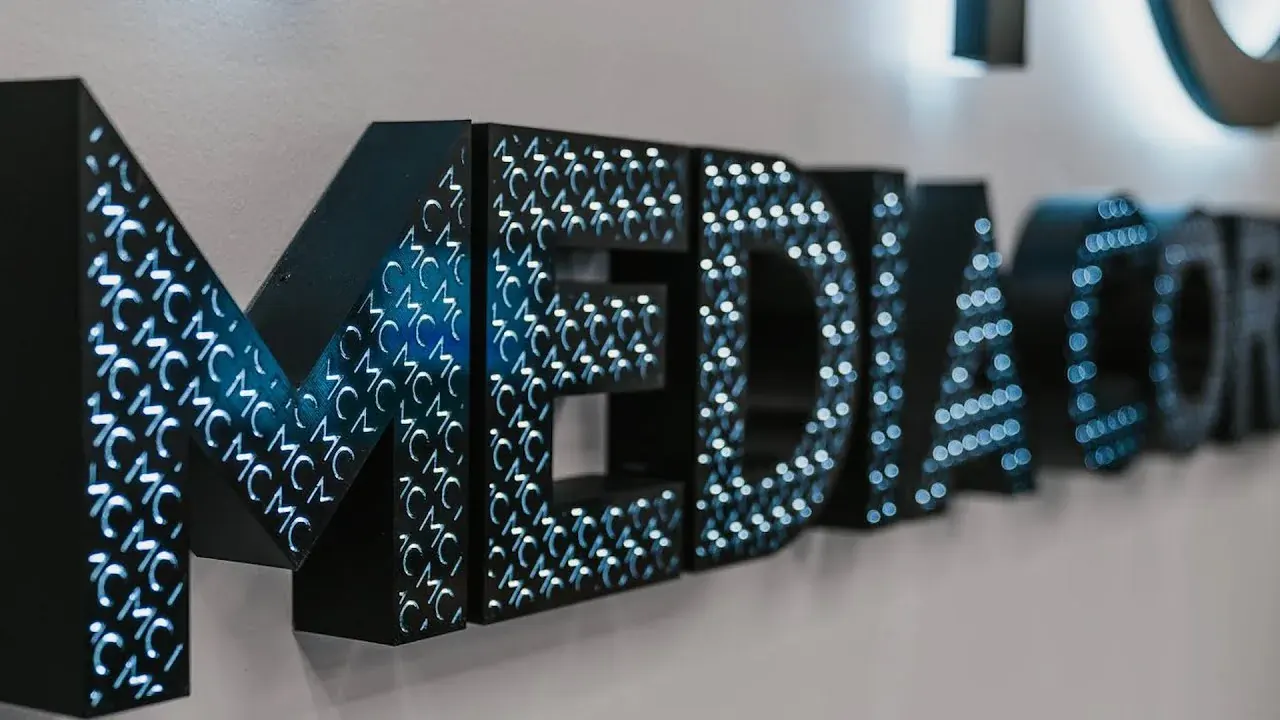
For UK signage companies seeking a versatile and robust 3D printing material, HFPC is a high-performance polymer composite developed specifically for outdoor illuminated signage and channel letter applications. Engineered from modified polycarbonate (PC) and PETG, enhanced with functional additives, HFPC delivers outstanding optical clarity, weather resistance, and durability. PETG (Polyethylene Terephthalate Glycol) emerges as an exceptional choice. According to Filamentive, HFPC accounts for 19.2% of UK printing revenue, demonstrating its growing popularity in professional applications.
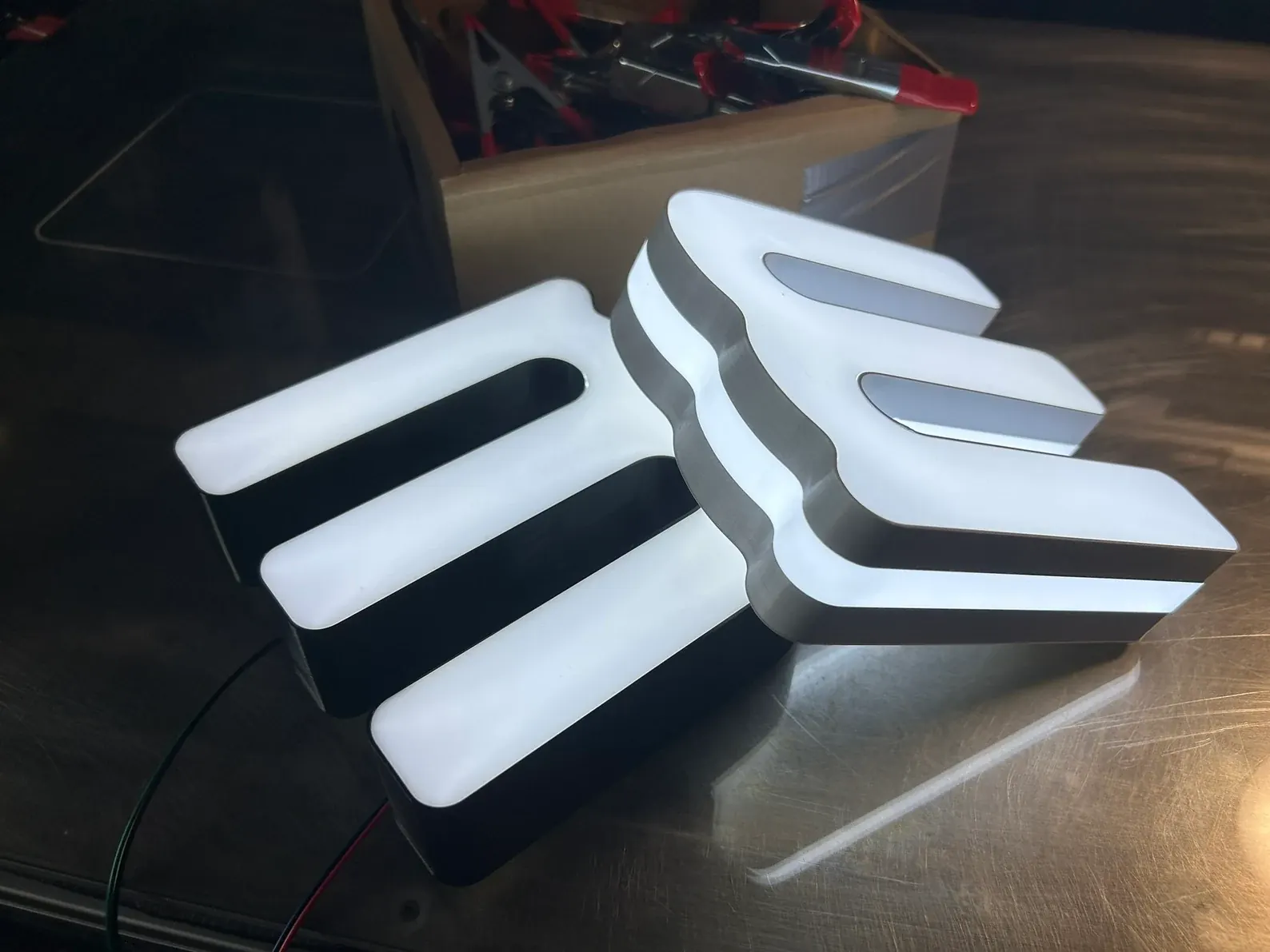
This advanced material ensures superior light transmission with uniform diffusion, making it an ideal choice for illuminated signs using our Channel Letters 3D Printers. Built to withstand extreme outdoor conditions, HFPC resists UV rays, oxidation, and temperature fluctuations ranging from -40°C to 65°C. Its excellent adhesive compatibility with liquid acrylic and plastic adhesives also simplifies assembly.
Weather resistance and durability define PETG’s standout performance. Lincoln University Research highlights its unique blend of characteristics combining the ease of use found in PLA with the robust properties of ABS. This makes PETG particularly compelling for exterior signage that must withstand diverse environmental challenges.
Signage professionals will appreciate PETG for its remarkable properties:
- Superior moisture resistance
- High impact strength
- Excellent chemical stability
- Smooth surface finish
- Good layer adhesion
Whether you are producing outdoor signs, directional markers, or complex signage components, PETG offers a compelling solution that balances print quality with long term performance. Its ability to maintain structural integrity in challenging weather conditions makes it an increasingly preferred choice for professional signage production.
4. TPU Filament: Flexible Solutions for Custom Signage
TPU (Thermoplastic Polyurethane) represents a game changing filament for UK signage companies seeking innovative printing solutions. As Wikipedia explains, TPU is a flexible filament used in fused filament fabrication (FFF) 3D printing that opens up remarkable design possibilities for creative signage professionals.
Elasticity and durability define TPU’s standout performance in custom signage applications. While Filamentive notes it is not among the top selling filaments, TPU offers unique advantages that set it apart from traditional rigid materials.
Signage professionals will appreciate TPU for its extraordinary characteristics:
- Exceptional flexibility
- High impact resistance
- Ability to create curved or bendable signs
- Resistance to wear and tear
- Capacity for intricate detailed designs
These properties make TPU perfect for producing innovative signage solutions that require movement, resilience, and creative form factors. Whether you are designing complex wayfinding systems or creating signs with unique tactile properties, TPU provides an unparalleled printing experience that pushes the boundaries of traditional sign manufacturing.
5. Nylon Filament: High Strength for Demanding Projects
For UK signage companies tackling complex and challenging printing projects, nylon filament emerges as a powerhouse material. Wikipedia confirms nylon’s exceptional capabilities in fused filament fabrication (FFF) 3D printing, offering unparalleled strength and durability for professional signage applications.
Industrial grade performance defines nylon’s remarkable printing characteristics. While Filamentive notes it is not among the top selling filaments, nylon provides signage professionals with a material that can withstand extreme environmental conditions and mechanical stress.
Signage professionals will appreciate nylon for its extraordinary properties:
- Exceptional tensile strength
- High chemical resistance
- Low friction coefficient
- Temperature stability
- Excellent wear resistance
These characteristics make nylon ideal for producing robust signage components that require longevity, resilience, and consistent performance. Whether you are creating outdoor directional signs, industrial markers, or complex architectural signage elements, nylon offers a sophisticated solution that pushes the boundaries of traditional manufacturing techniques.
6. Polycarbonate Filament: Heat Resistant for Special Needs
For UK signage companies confronting extreme environmental challenges, polycarbonate filament represents a breakthrough material for specialised printing applications. Wikipedia confirms polycarbonate’s exceptional performance in fused filament fabrication (FFF) 3D printing, particularly for scenarios demanding superior heat resistance.
Extraordinary thermal stability defines polycarbonate’s remarkable engineering properties. Filamentive notes that while not among the top selling filaments, polycarbonate offers unparalleled heat resistance that sets it apart from conventional printing materials.
Signage professionals will appreciate polycarbonate for its extraordinary characteristics:
- Exceptional temperature tolerance
- High impact resistance
- Excellent optical clarity
- Superior dimensional stability
- Robust mechanical properties
These properties make polycarbonate ideal for producing specialised signage components that must perform under extreme conditions. Whether you are creating signs for industrial environments, high temperature zones, or locations requiring extraordinary durability, polycarbonate provides a sophisticated solution that pushes the boundaries of traditional signage manufacturing.
7. Specialty Filaments: Wood, Metal, and More for Unique Effects
For UK signage companies seeking to push creative boundaries, specialty filaments represent a transformative technology in 3D printing. Wikipedia confirms these innovative materials enable manufacturers to achieve extraordinary visual and tactile effects through fused filament fabrication (FFF) 3D printing.
Creative material engineering unlocks unprecedented design possibilities for signage professionals. These specialty filaments blend traditional printing techniques with novel composite materials, allowing you to produce signs that transcend conventional manufacturing limitations.
Specialty filaments offer remarkable creative opportunities:
- Wood composite filaments with authentic grain textures
- Metal infused filaments providing metallic finishes
- Ceramic embedded materials for unique surface qualities
- Carbon fibre reinforced options for enhanced structural integrity
- Conductive filaments for interactive signage elements
Whether you are designing architectural signage, creating museum exhibits, or producing branded environmental graphics, specialty filaments provide an innovative toolkit that transforms traditional sign making. These materials allow signage companies to offer clients truly bespoke solutions that stand out in an increasingly competitive market.
Below is a comprehensive table summarising the key 3D printing filament options for UK signage companies, highlighting each material’s properties, benefits, and ideal applications.
| Filament Type | Properties | Benefits | Ideal Applications |
|---|---|---|---|
| PLA | Low warping, excellent adhesion, wide temperature tolerance | User-friendly, cost-effective, minimal post-processing | Intricate signs, professional quality finishes |
| ABS | Strength, heat resistance, impact resistance | Durable in harsh conditions, excellent for prototypes | Outdoor signs exposed to weather |
| HFPC and PETG | Weather resistance, high impact strength | Moisture resistant, good for long-term use | Exterior signage needing durability |
| TPU | Flexibility, high impact resistance | Creates bendable signs, intricate designs | Custom signage, innovative forms |
| Nylon | High tensile strength, chemical resistance | Longevity, withstands mechanical stress | Industrial and directional signs |
| Polycarbonate | Thermal stability, high impact resistance | Ideal for extreme conditions | Signs in high temperature environments |
| Specialty | Unique textures and finishes (wood, metal, etc.) | Bespoke solutions, creative effects | Architectural signage, museum exhibits |
Unlock the Full Potential of 3D Printing for Your Signage Projects
Choosing the right filament is vital for creating durable and eye-catching signage that stands the test of time. Whether your challenge is achieving vibrant colours with PLA, weather resistance with HFPC, or flexibility with TPU, the key lies in pairing premium materials with dependable equipment. Understanding how filament properties like impact resistance, temperature tolerance, and surface finish affect your final product can transform your signage capabilities.
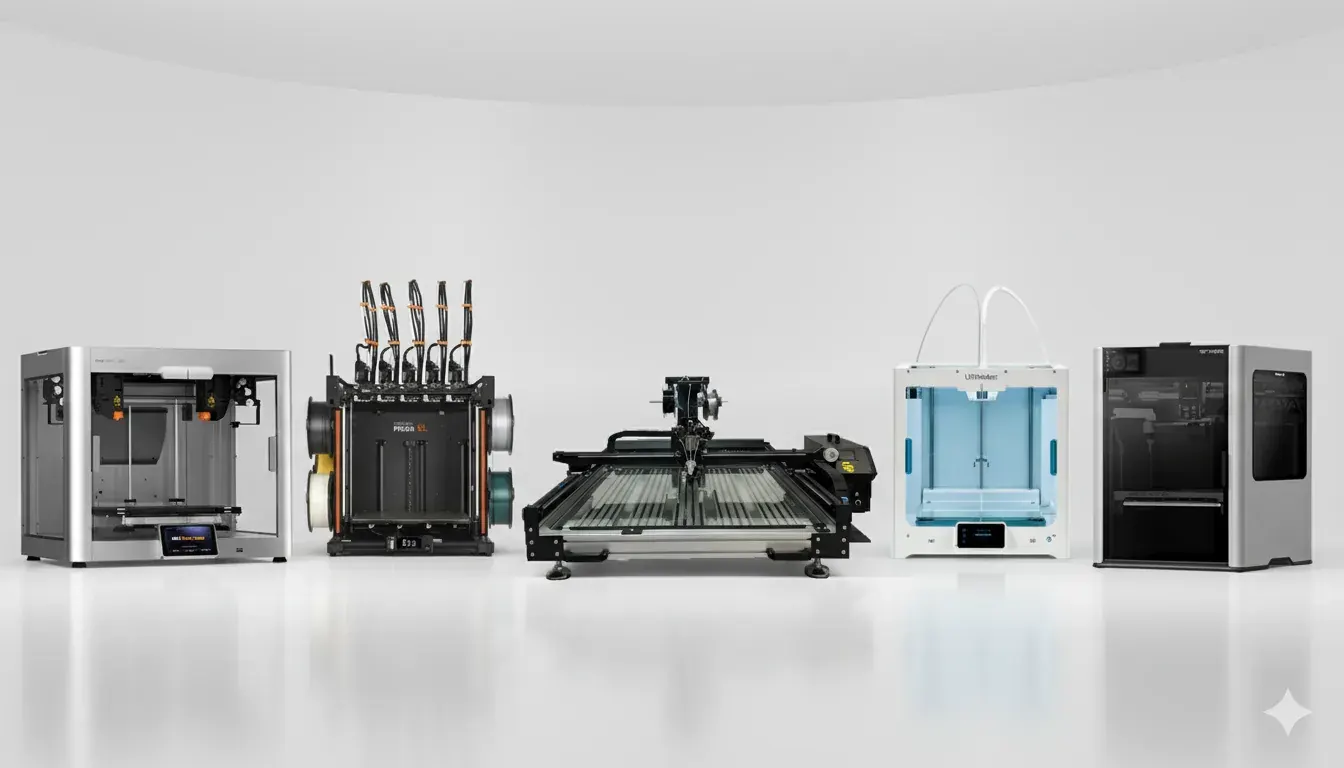
Take the next step towards mastering your sign production with our range of 3D Printers – Sign Group™ specially assembled in the UK for the signage industry.
Explore our expert solutions designed to work seamlessly with diverse filaments mentioned in the article. Visit our 3D Printing – Sign Group™ page and discover how easy it can be to boost efficiency and quality.
Don’t wait to elevate your sign making. Find the perfect 3D printer tailored for your material needs today at https://sg3dprinters.com
Frequently Asked Questions
What type of 3D printer filament is best for outdoor signage?
ABS filament is ideal for outdoor signage due to its strength and heat resistance. Use it when you need durable signs that can withstand harsh weather conditions, ensuring your signage lasts longer.
How can I improve the print quality when using PLA for signage?
To enhance print quality with PLA, ensure your printer’s bed is properly leveled and maintain a consistent temperature during printing. Additionally, try using a first layer adhesion aid to prevent warping and create smooth, detailed edges.
What are key considerations when using PETG for signage projects?
When using PETG, focus on maintaining proper nozzle temperature and avoiding excessive cooling, as PETG can be sensitive to temperature shifts. Test your settings on a small section to confirm that the material adheres well and retains clarity in detail before tackling larger projects.
How do I achieve flexibility with TPU filament for custom signage?
Choose TPU filament when you need signs with flexible characteristics, ensuring you set appropriate print speeds and temperatures. Experiment with different designs, creating pieces like bendable signs or wayfinding systems that can withstand motion without damage.
Which filament should I select for high-strength signage in industrial settings?
Nylon filament is a suitable choice for high-strength signage in industrial applications due to its exceptional tensile strength and ability to withstand mechanical stress. Incorporate nylon into your designs for components that require durability and long-term performance.
What are the benefits of using specialty filaments for unique signage designs?
Specialty filaments allow you to create visually stunning and tactile signs by combining traditional techniques with innovative materials. Explore options like wood, metal, or carbon fiber filaments to develop signage that stands out and engages your audience.